Beaumarchais in New York: the first steps toward rediscovery
November 01, 2025
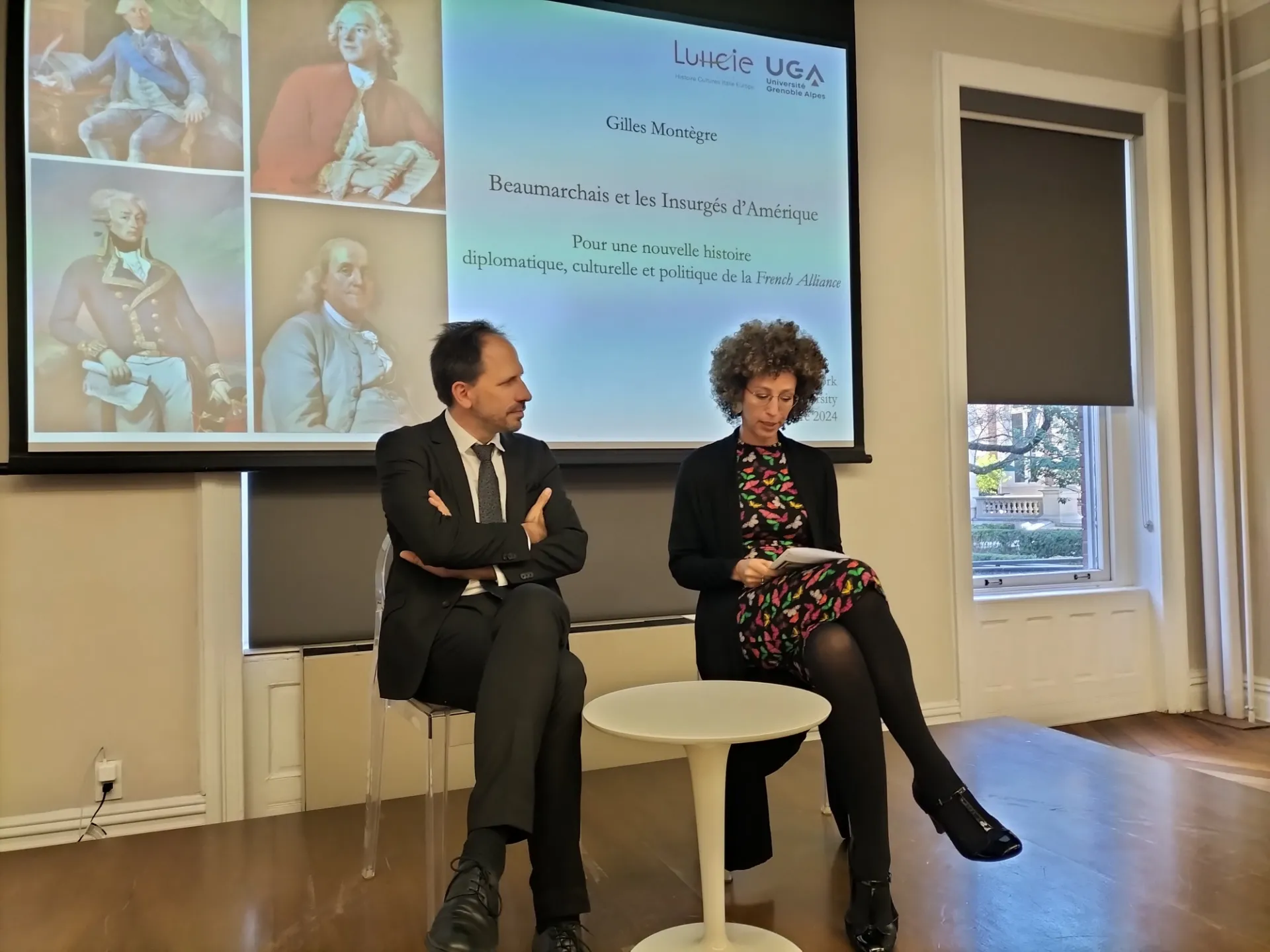
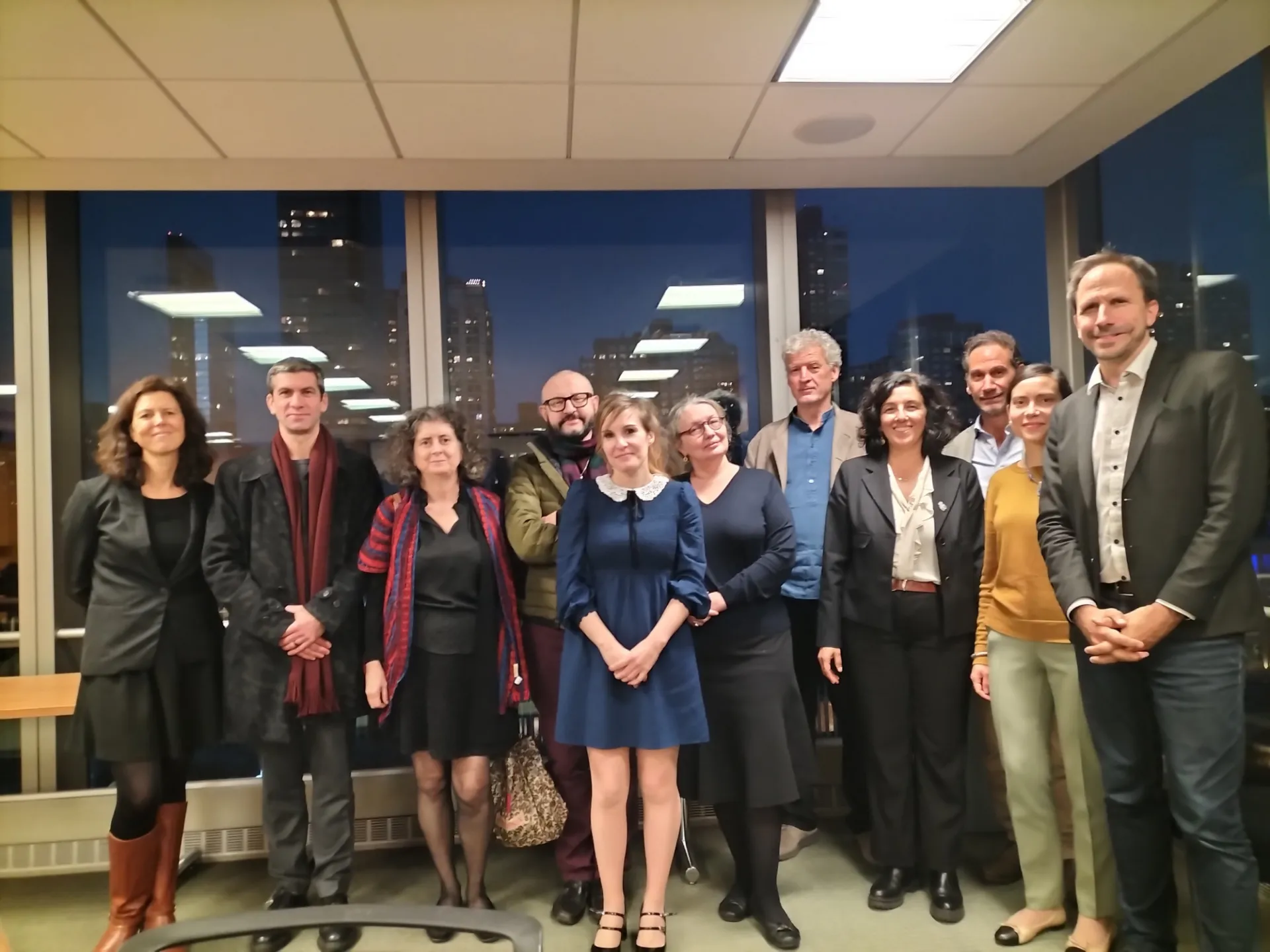
The symposium devoted to the links between Beaumarchais and the Americas was held between October 24 and 26, 2024, in New York (Morgan Library, Columbia University, Fordham University). Resolutely interdisciplinary and exploratory, the meeting aimed to bring together French and American researchers for the first time, in a context marked by the approach of the 250th anniversary of the independence of the United States, but also by the arrival of Beaumarchais' personal archives in the collections of the Bibliothèque nationale de France (25,000 documents currently divided into 38 boxes, available for consultation under the reference NAF 29073). The discussions paved the way for a fundamental reinterpretation of the French alliance, which is set to be further enriched over the coming years as part of the @rchibeau program funded by the French National Research Agency (ANR-24-CE544917). It would be an understatement to say that the American memory of La Fayette has completely eclipsed that of Beaumarchais. In these circumstances, it seems strategic to rehabilitate not the figure of the creator of Figaro, but his place as a historical actor in the process that led France to become the United States' foremost ally. As the inaugural lecture and the discussions that continued throughout the three days of the symposium showed, Beaumarchais' role proved decisive both as the leading advocate of the American cause at the court of Versailles, as an entrepreneur called upon to secretly supply weapons to the rebels at a critical moment in their struggle against the English metropolis, and as an influencer quick to mobilize French public opinion in favor of American “liberty.” Secondly, the symposium made it possible to see, particularly during a final panel discussion, how the exploration of the Beaumarchais archives is likely to become part of a critical and dynamic approach to the legacy of the Enlightenment. The emancipatory potential of Beaumarchais' writings in America is undeniable, as evidenced by the early association of the character Figaro with slaves on the French island of Saint Domingue. But Beaumarchais' American affairs also reveal his ambivalent view of freedom, which comfortably accommodates the slave trade and colonialism.
Highlighted by the New York symposium, these research perspectives are set to develop throughout 2026, as part of new international meetings organized within the @richibeau program, particularly in Philadelphia, Oxford, and at the Museum of the French Revolution in Vizille. Gilles Montègre Université Grenoble Alpes