Columbia Hosts the New York Chapter of an International Conference Series Marking the 80th Anniversary of the End of WWII
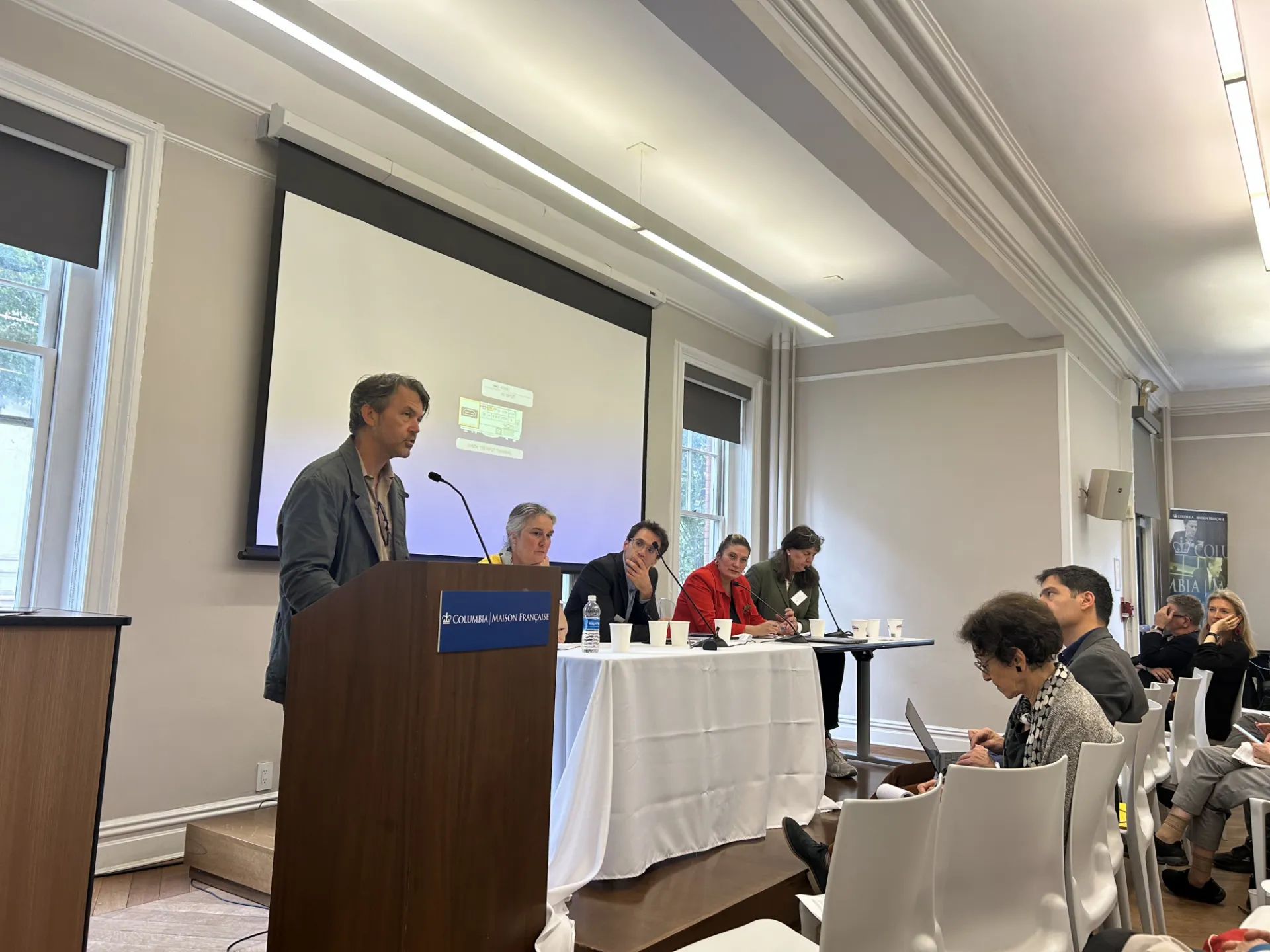
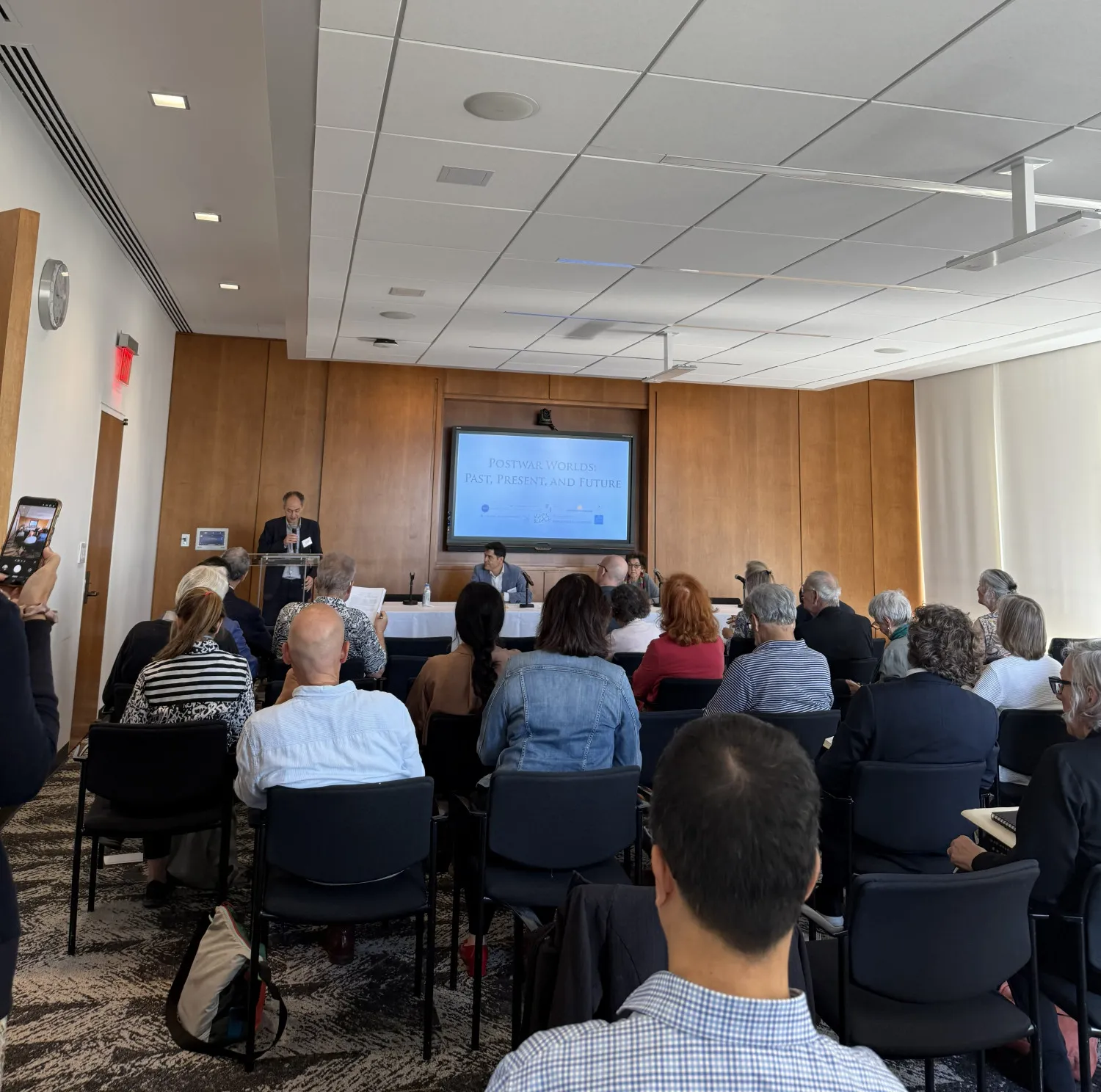
New York, October 7–8, 2025 — Scholars, historians, and policymakers from around the world convened at Columbia University for Postwar Worlds: Past, Present, and Future, the third and final conference in an international series examining the global legacies of World War II and the postwar order that followed.
The series — organized jointly by Université Paris 1 Panthéon-Sorbonne, Europa Universität Viadrina (Frankfurt/Oder), the Konrad-Adenauer-Stiftung, and Columbia University — follows earlier meetings in Berlin and Paris. Together, these gatherings commemorate the approaching 80th anniversary of the end of the Second World War and the founding of the United Nations, reflecting on how the aftermath of 1945 continues to shape today’s geopolitical and moral landscape.
Reconsidering the Legacies of 1945
Held at Columbia’s School of International and Public Affairs and the Maison Française, the two-day New York conference explored the enduring questions of postwar justice, reconstruction, and the future of multilateralism. The event opened with remarks by Emmanuel Kattan, Director of the Alliance Program, Fabien Théofilakis (Université Paris 1 Panthéon-Sorbonne), and Carol Gluck, George Sansom Professor of History Emerita at Columbia University, followed by a keynote lecture by Mark Mazower (Columbia University) on “Anniversaries, Generations, and the Memory of 1945.”
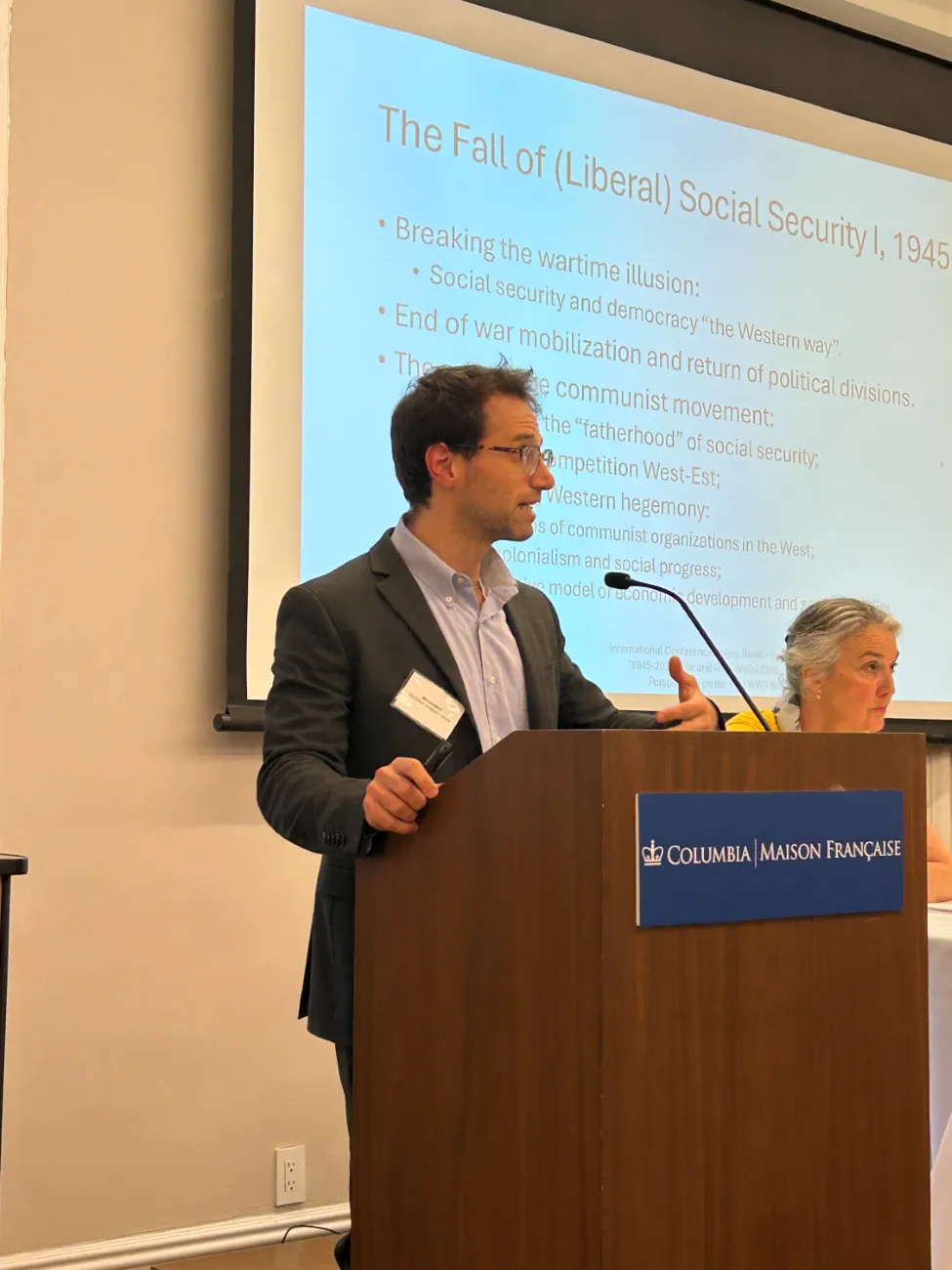
Panels throughout the conference addressed major themes including immediate postwar reconstruction, the United States’ role in shaping the postwar world, transitional justice and human rights, the legacies of social policy and environmental transformation, and the challenges of maintaining a rules-based international order in the twenty-first century.
Distinguished Speakers and Global Perspectives
Across two days, the conference featured contributions from more than two dozen experts representing institutions across Europe, Asia, and North America — including Adam Tooze, Arne Westad, Julian Gewirtz, Jon Finer, and Elizabeth Saunders (Columbia University and Yale University), as well as Oleksandra Matviitchouk, the Nobel Peace Prize-winning human rights lawyer and head of Ukraine’s Center for Civil Liberties.
Discussions ranged from the fate of postwar justice systems and the transformation of global economic structures to the persistence of memory and trauma across generations. “The questions of 1945 are far from over,” noted Kattan in his closing remarks. “They continue to define our understanding of power, peace, and responsibility in a deeply interconnected world.”
An Ongoing Transatlantic Dialogue
The Postwar Worlds series forms part of a wider academic partnership uniting leading institutions across Europe and the United States. Each city’s conference approached 1945 through a distinct lens — Berlin focusing on Central and Eastern Europe, Paris on colonial transitions, and New York on global institutions and world order.
As participants reflected on the lessons of the last eight decades, one message resonated throughout: the world’s postwar framework — once rooted in ideals of peace, justice, and cooperation — faces unprecedented challenges. Yet, as history shows, renewal often emerges from reflection.