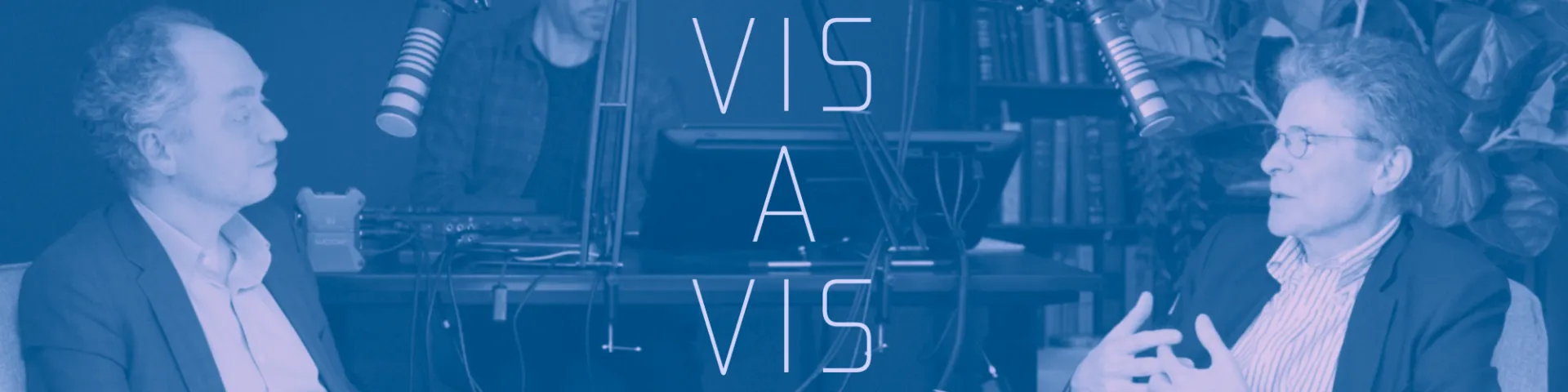
/ˌvēzəˈvē/
Vis-à-Vis brings listeners into the conversations shaping our transatlantic academic community.
Produced by the Alliance Program at Columbia University, Vis-à-Vis highlights dialogue across disciplines, languages, and institutions—connecting scholars, artists, and thinkers from Columbia University, Sciences Po, Paris 1 Panthéon-Sorbonne, and École Polytechnique.
Through these conversations, we explore ideas that transcend borders: from global policy and research innovation, to AI and climate change, to art, philosophy, and culture.
With Vis-à-Vis, we open our doors to listeners everywhere—inviting you to discover the voices driving collaboration between France, the EU, and the United States.
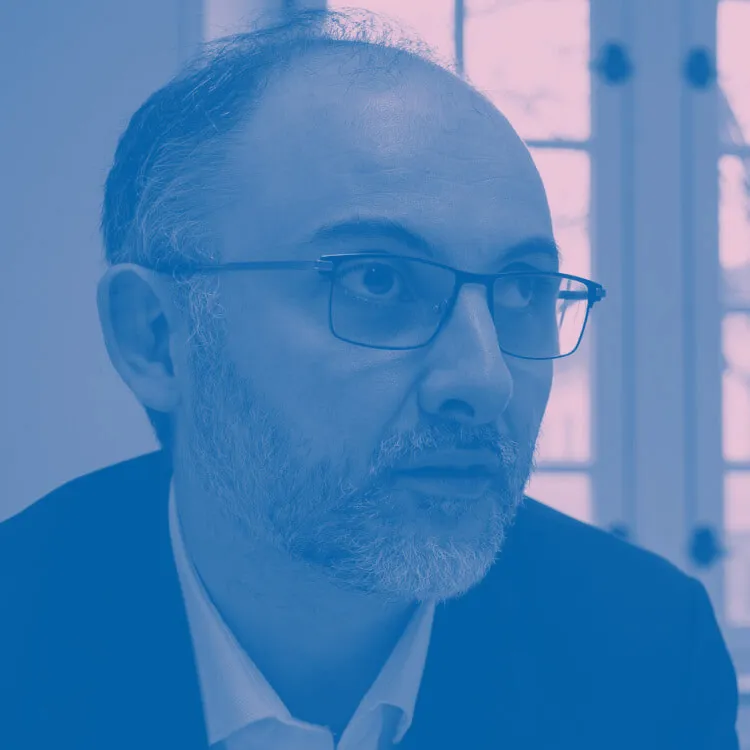
Benoît Pelopidas is Associate Professor at Sciences Po in Paris. He is the Principal Investigator of a 1.5 million euros project on nuclear weapons choices, funded by the European Research Council – one of the most competitive and prestigious EU grants. He is also the founding director of Nuclear Knowledges, the first academic research program in France on the nuclear phenomenon. The program is independent and entirely transparent on its sources of funding, based on peer reviewed assessment of scholarly work. Professor Pelopidas is also an affiliate of the Center for International Security and Cooperation (CISAC) at Stanford University and has been a visiting fellow at Princeton University. In recent years, he has engaged with policymakers in the US and Europe as well as with civil society groups, to advocate innovative nuclear disarmament and arms control policies. Benoît Pelopidas is the author of Repenser les choix nucléaires (Rethinking Nuclear Choices), published earlier this year at Presses de Sciences Po.
Nuclear Proliferation, Close Calls, and Luck
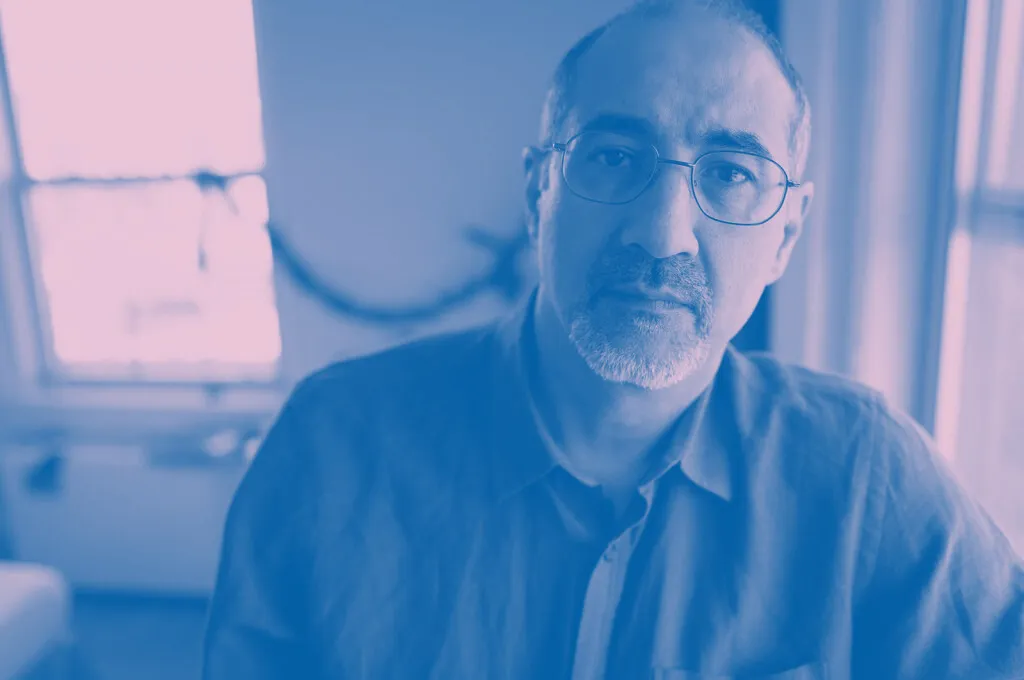
Kian Tajbakhsh (Ph.D. Columbia 1993) is a Senior Advisor at Global Centers Columbia University. In this role, Dr. Tajbakhsh works on university-wide initiatives focused on global migration and is the Coordinator of the Committee on Forced Migration. He is also a Fellow with Columbia’s Committee on Global Thought where since 2016 he has taught the core course in the Global Thought MA program “Globalization and the Problems of World Order.” From 2016-2018 he was Professor of Urban Planning at Columbia. His book Creating Local Democracy In Iran: State-Building and the Politics of Decentralization was published by Cambridge University Press in 2022.
Iran Protests, A feminist Social Movement
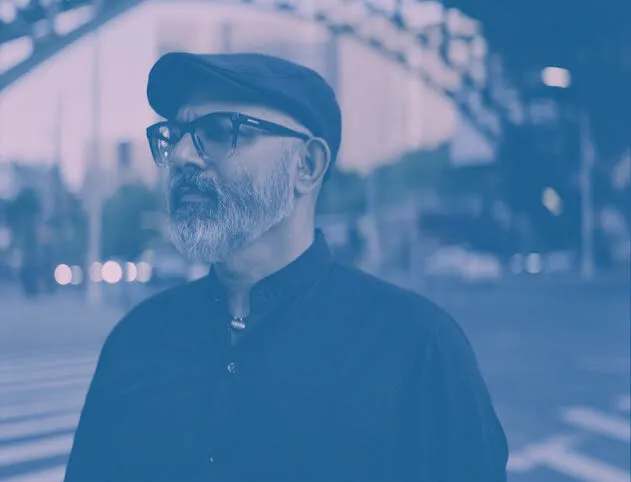
Manan Ahmed, Associate Professor, is interested in the relationship between text, space and narrative. His areas of specialization include intellectual history of Islam in South and Southeast Asia; frontier-spaces and the city in medieval South Asia; colonial and post-colonial North India and Pakistan. His monograph, A Book of Conquest: The Chachnama and Muslim Origins in South Asia (Harvard University Press, 2016) is an intellectual history of a text—the early thirteenth century Persian history called Chachnama—and a place—the medieval city of Uch Sharif in southern Punjab, Pakistan. From the vantage point of that text and space, the book presents a vision of being Muslim in South Asia over this longue durée, while resisting the narratives of ‘foreign-ness’ and ‘otherness’ that assemble around the Indian Muslim subject. His current research is a comparative, global project that focuses on seventeenth century histories of conquest and their relationship to the emergence of “World History” (Weltgeschichte) in the nineteenth century. He is also finishing a book on space and memory of early modern Lahore.
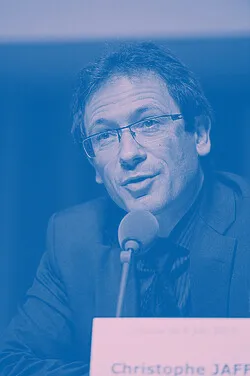
Dr. Christophe Jaffrelot is a Senior research fellow at CERI (Centre de Recherches Internationales) at Sciences Po (Paris), and research director at the CNRS (Centre National de la Recherche Scientifique), Professor of Indian Politics and Sociology at the King’s India Institute (London). He has been a Global Scholar at Princeton University, visiting professor at Columbia University, Yale, and SAIS (Johns Hopkins).
He also works at The Carnegie Endowment for International Peace as a Non-Resident Scholar and is on the academic council of Ashoka University in India.
Among his publications are The Hindu nationalist movement and Indian politics, 1925 to 1990s, 1999, India’s Silent Revolution. The Rise of the Lower Castes in North India, 2003, Dr. Ambedkar and Untouchability. Analysing and Fighting Caste, 2005 and The Pakistan Paradox. Instability and Resilience, 2015. In 2017, he has co-edited Pan-Islamic Connections. Transnational Networks between South Asia and the Gulf. He graduated from Sciences Po where he obtained a PhD and the INALCO in Hindi.
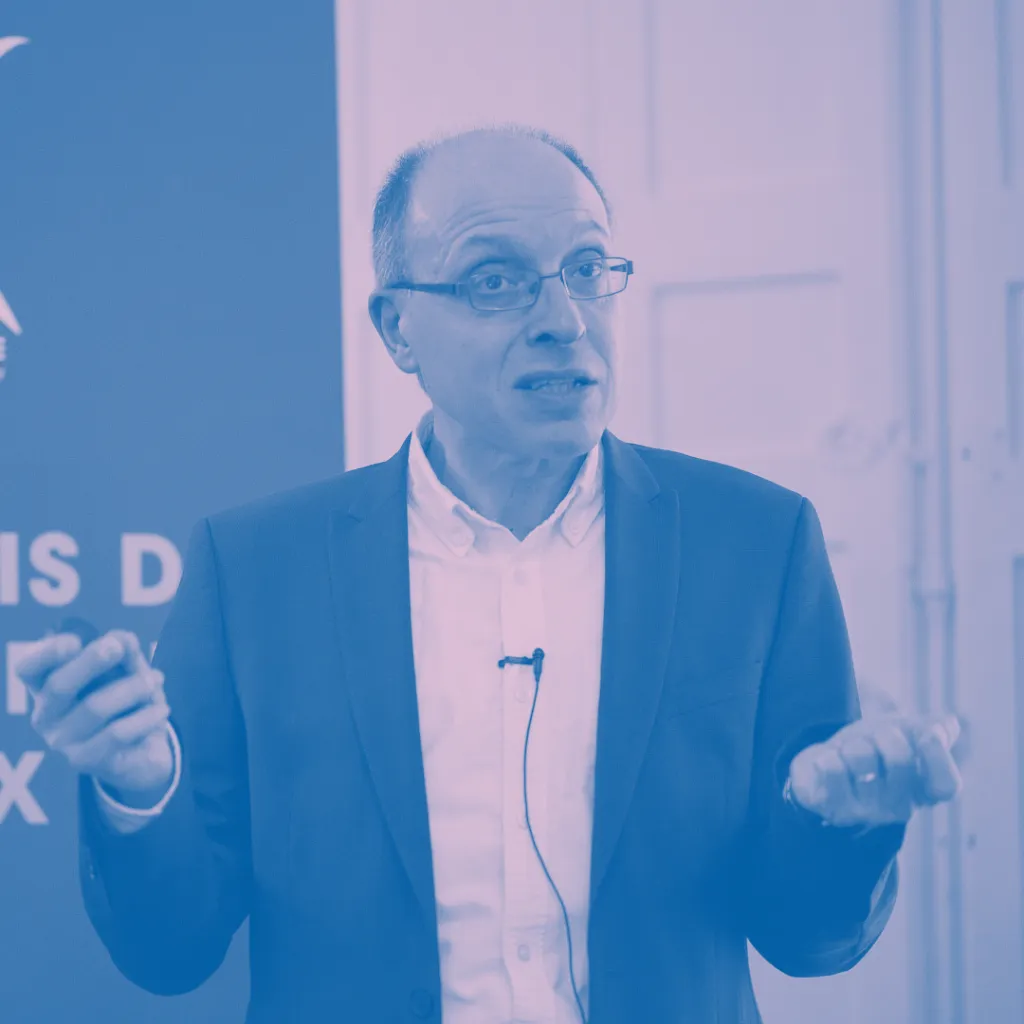
Abdl Barakat is CNRS Director of Research and the AXA Endowed Professor of Mechanics and Biology at Ecole Polytechnique in France. He is also an Adjunct Professor of Mechanical and Manufacturing Engineering at the University of New South Wales in Sydney, Australia. Professor Barakat obtained a Ph.D. in biofluid mechanics from MIT in 1994. After a year as an NIH Postdoctoral Fellow at the University of Chicago, he was recruited as Assistant Professor in the Department of Mechanical and Aerospace Engineering at the University of California, Davis. He was promoted to Associate Professor in 2001 and to Full Professor in 2006. At UC Davis, he was also on the faculty of the Biomedical Engineering, Biophysics, and Applied Mathematics graduate programs. He relocated to France in 2010. In 2014, Prof. Barakat co-founded the startup company Sensome, which develops state-of-the-art sensors to equip medical devices. He is a recipient of a Pfizer-Parke Davis Atorvastatin Research Award, a permanently endowed Chair from the AXA Research Fund, and is an elected Fellow of the American Institute for Medical and Biological Engineering. His research interests are in biomedical engineering with specific focus on arterial fluid mechanics and mass transport, cellular mechanobiology, and endovascular devices.
Mending Hearts: A Pioneering Innovation
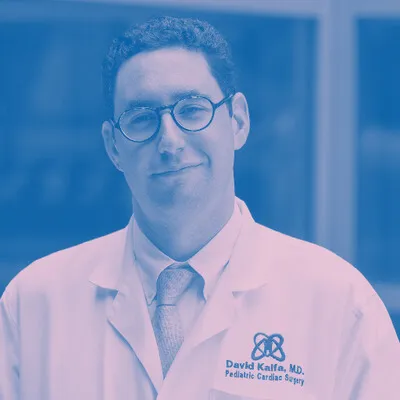
Dr. David Kalfa is a Board-certified cardiothoracic surgeon with a subspecialization in pediatric cardiac surgery. A Native of France, Dr. Kalfa graduated from Marseilles University Graduate School of Medicine with the highest level of distinction in 2004. During his certification, he developed a research program in Tissue Engineering applied to the field of Congenital Heart Diseases that led to the attainment of numerous grants including a European Research FP7 Grant. He completed a research fellowship in Fondation Alain carpentier/INSERM in Paris and received his PhD degree in 2011 with the highest level of distinction. He then performed a 2-year clinical fellowship in Congenital Cardiovascular Surgery in one of the highest-volume centers (Marie Lannelongue Hospital in Paris) with exposure to highly complicated cases from all age groups (from neonates to adults). He completed a clinical fellowship in Adult Cardiac Surgery at Laval University Hospital in Quebec, Canada (2012-2013). He was then Assistant Attending in Congenital Cardiac Surgery at Morgan Stanley Children’s Hospital/NYP (2013-2015) and is currently Associate Professor of Surgery (tenure track) in the Section of Pediatric and Congenital Cardiac Surgery, Columbia University, and Adjunct Assistant Professor of Surgery in the Department of Cardiothoracic Surgery, Weill Cornell Medical College.
Mending Hearts: A Pioneering Innovation
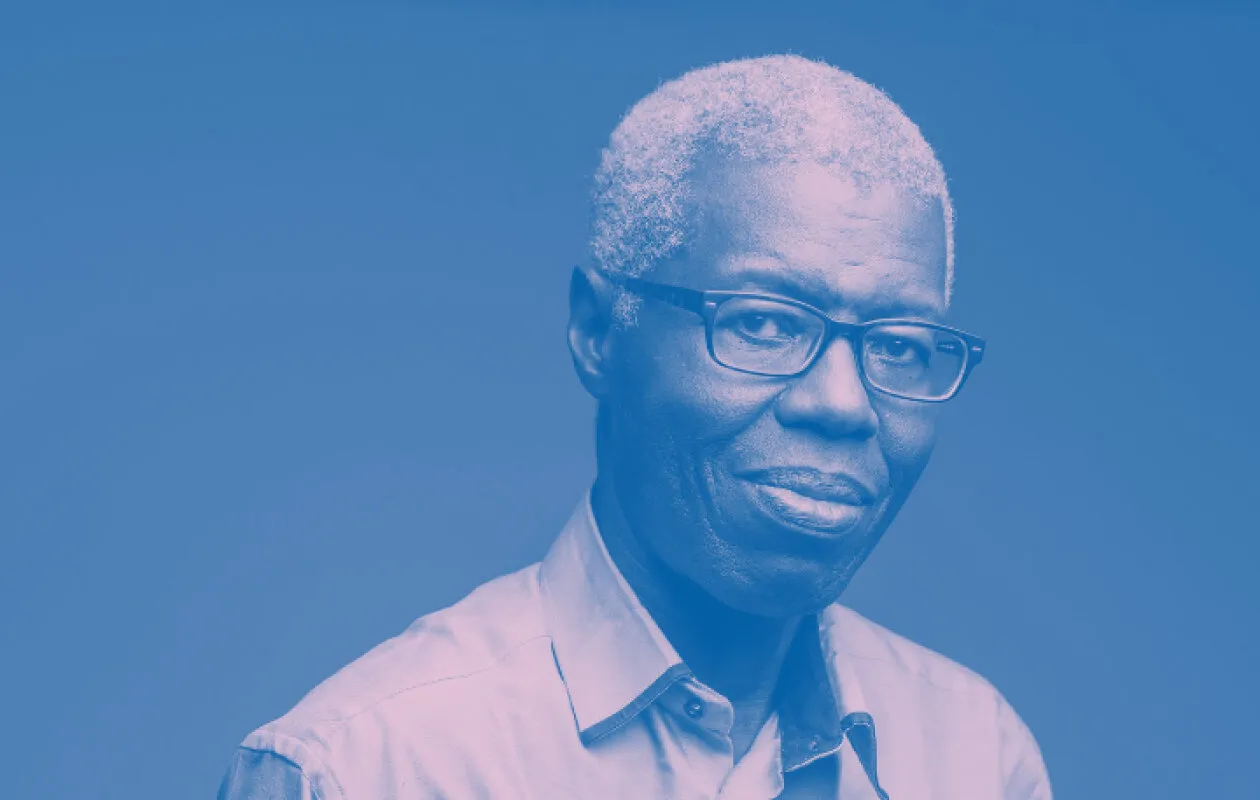
Souleymane Bachir Diagne received his academic training in France. An alumnus of the École Normale Supérieure, he holds an agrégation in Philosophy (1978) and he took his Doctorat d’État in philosophy at the Sorbonne (1988) where he also took his BA (1977). Before joining Columbia University in 2008 he taught philosophy for many years at Cheikh Anta Diop University, Dakar (Senegal) and at Northwestern University. His field of research includes history of logic, history of philosophy, Islamic philosophy, African philosophy and literature. He is the author of African Art as Philosophy: Senghor, Bergson, and the Idea of Negritude (Seagull Books, 2011), The Ink of the Scholars: Reflections on Philosophy in Africa, (Dakar, Codesria, 2016), Open to Reason: Muslim Philosophers in Conversation with Western Tradition, (New York, Columbia University Press, 2018). His book, Bergson postcolonial. L’élan vital dans la pensée de Senghor et de Mohamed Iqbal, (Paris: Editions du CNRS, 2011) is forthcoming in an English version to be published by Fordham University Press. That book was awarded the Dagnan-Bouveret prize by the French Academy of Moral and Political Sciences for 2011 and on that same year professor Diagne received the Edouard Glissant Prize for his work. Souleymane Bachir Diagne’s current teaching interests include history of early modern philosophy, philosophy and Sufism in the Islamic world, African philosophy and literature, twentieth century French philosophy.
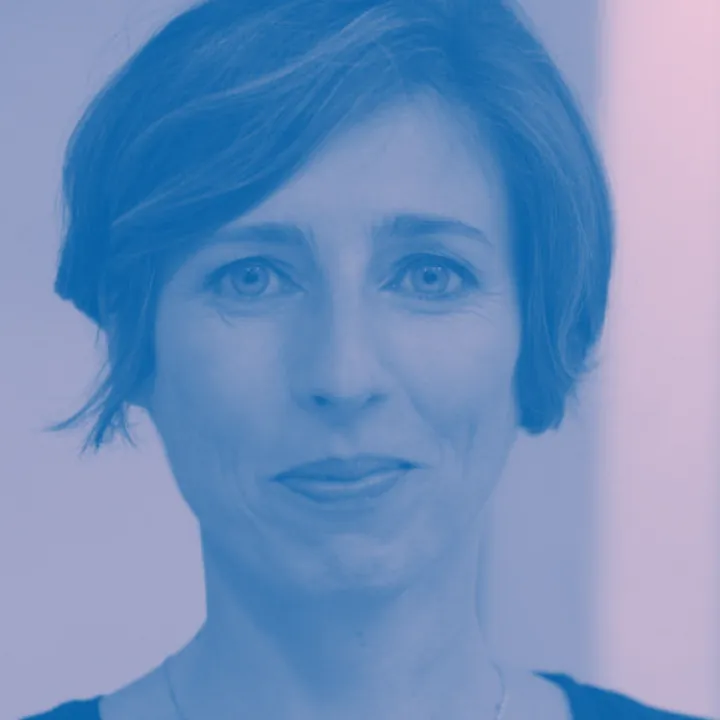
Magali Bessone is a professor of political philosophy at Université Paris 1 Panthéon-Sorbonne. A former student of the Ecole Normale supérieure in Paris, she holds the agrégation and a PhD in philosophy. Her work focuses on contemporary liberalism, on theories of justice, on international criminal justice and on theories of race and racism. She has published an annotated translation of W. E. B. Du Bois’s The Souls of Black Folk (Les Âmes du peuple noir, ENS, 2004, reprint La Découverte, 2007); she is the author of Sans distinction de race ? (Paris, Vrin, 2013). With Daniel Sabbagh, she co-edited the anthology Race, racisme, discriminations (Hermann, 2015). Her latest book Faire justice de l’irréparable. Esclavage colonial et responsabilités contemporaines was published in November 2019 by Editions Vrin.
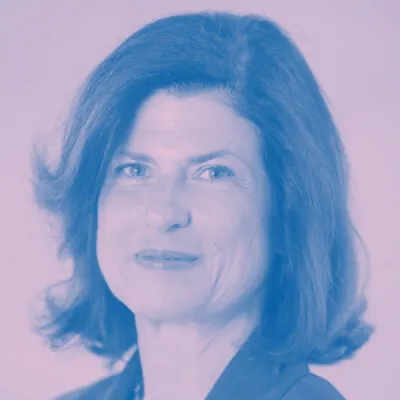
Mireille Chiroleu-Assouline graduated from École Centrale Paris. She is a professor at Paris 1 Panthéon-Sorbonne University and at the Paris School of Economics. Her research and expertise are in environmental economics: taxation and its economic effects, policies for curbing greenhouse gases, corporate social and environmental responsibility and the political economy of the environment. Professor Chiroleu-Assouline holds a senior chair at the Institut universitaire de France and she is a member of the Conseil économique pour le développement durable and President of the French Association of Environmental and Resource Economists.
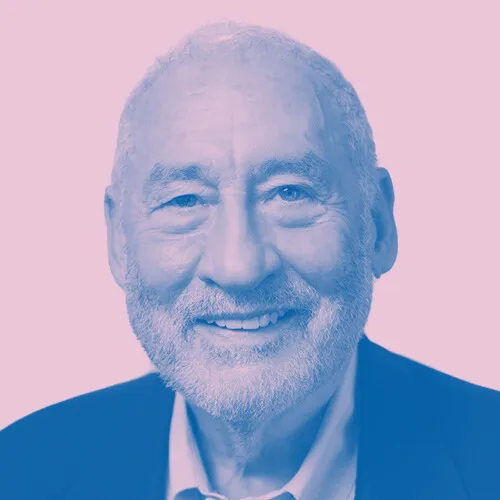
Joseph Stiglitz is a Professor of Economics at Columbia University. He is the co-chair of the High-Level Expert Group on the Measurement of Economic Performance and Social Progress at the OECD, and the Chief Economist of the Roosevelt Institute. He was awarded the Nobel Memorial Prize in Economics in 2001. He is a former senior vice president and chief economist of the World Bank. In 2011 he was named by Time magazine as one of the 100 most influential people in the world. He is the author of numerous books including, most recently, People, Power, and Profits; Rewriting the Rules of the European Economy; and Globalization and Its Discontents Revisited.
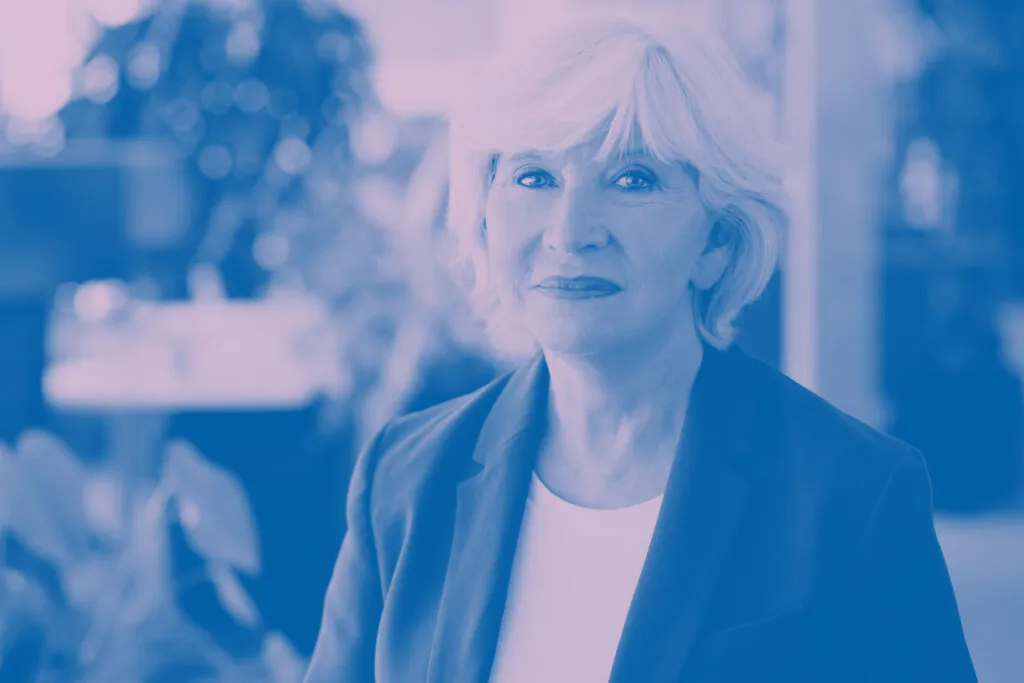
Professor Laurence Tubiana is the CEO of the European Climate Foundation (ECF) and a Professor at Sciences Po, Paris. Before joining the ECF, Professor Tubiana was France’s Climate Change Ambassador and Special Representative for COP21, and as such a key architect of the landmark Paris Agreement. Following COP21 and through COP22, she was appointed UN High-Level Champion for climate action. From 1997 to 2002, she served as Senior Adviser on the Environment to the French Prime Minister Lionel Jospin. In 2013, she chaired the French National Debate on the Energy Transition. Professor Tubiana founded in 2002 the Paris-based Institute of Sustainable Development and International Relations (IDDRI).
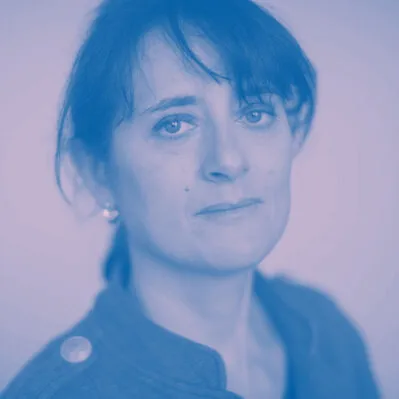
Patricia Crifo is a Professor of Economics at Ecole Polytechnique and researcher at CREST. She is also associate research fellow of CIRANO (in Montréal), of the Institut des Politiques Publiques and the Institut Louis Bachelier. At Ecole Polytechnique, Professor Crifo is the director of the MSC in Economics for smart cities and climate policy, the research initiative for Sustainable Finance and Responsible Investment (FDIR) and deputy director of the Energy4climate (E4C) interdisciplinary center.
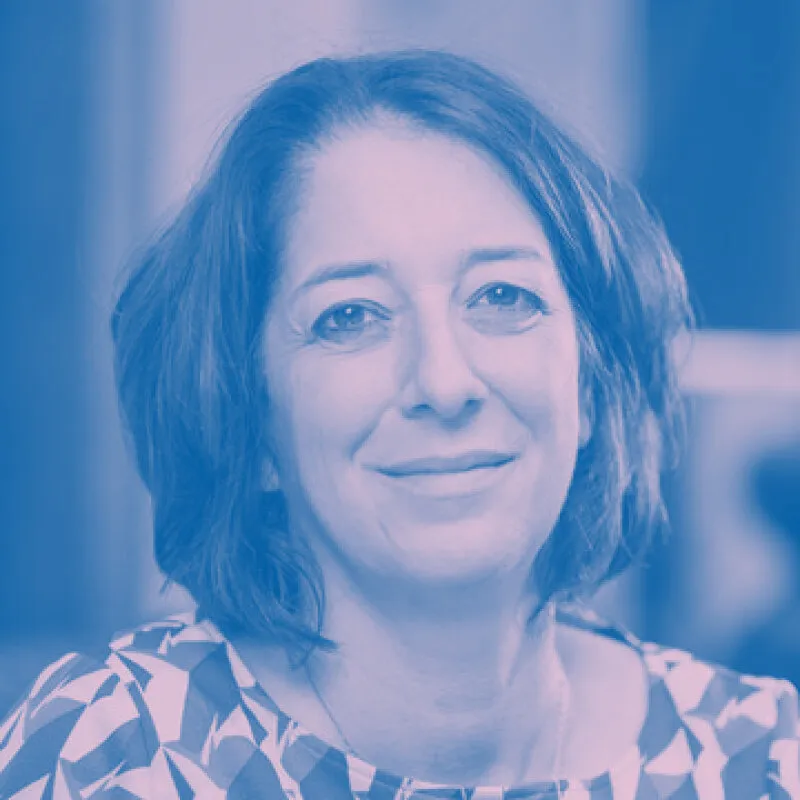
Anya Schiffrin is the director of the Technology, Media, and Communications at Columbia University’s School of International and Public Affairs and a lecturer who teaches on global media, innovation and human rights. She writes on journalism and development, investigative reporting in the global south and has published extensively over the last decade on the media in Africa. More recently she has become focused on solutions to the problem of online disinformation, earning her PHD on the topic from the University of Navarra. She is the editor of Global Muckraking: 100 Years of Investigative Reporting from Around the World (New Press, 2014) and African Muckraking: 75 years of Investigative journalism from Africa (Jakana 2017). She is the editor of the forthcoming Media Capture: How Money, Digital Platforms and Governments Control the News (Columbia University Press 2020)
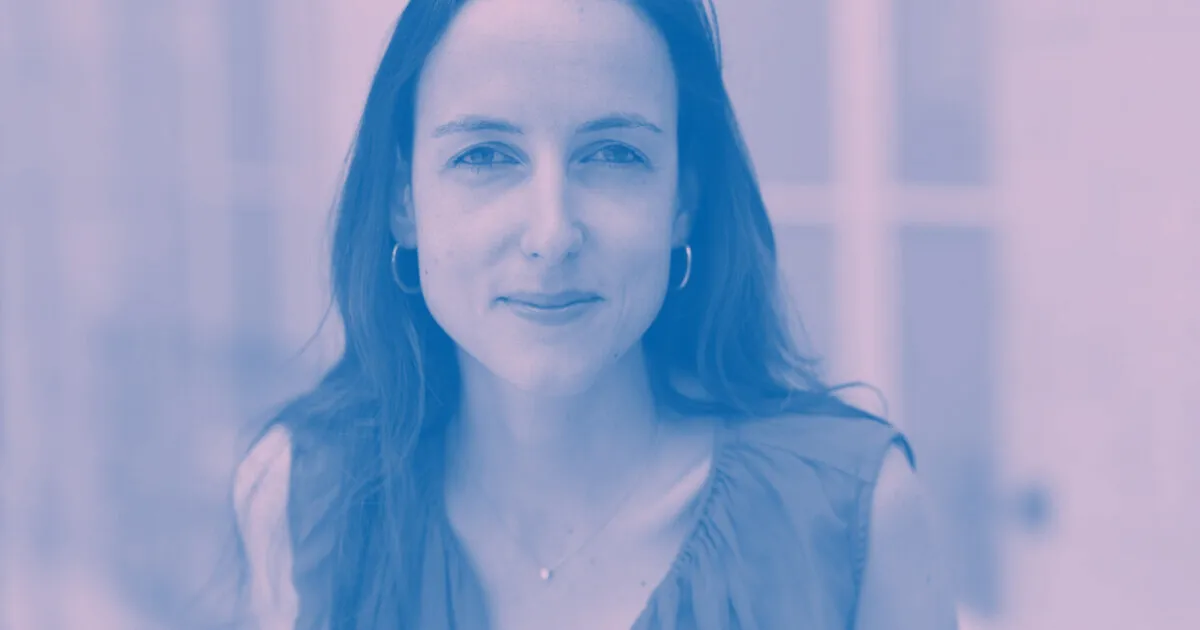
Julia Cagé is Associate Professor of Economics (with tenure) since 2021 and joined the Department in 2014. In 2018 she became the Co-director of LIEPP’s “Evaluation of Democracy” research group. She is also a CEPR Research Fellow.
Her research focuses on political economy, industrial organization and economic history. She is particularly interested in media economics, political participation and political attitudes. Her research has been published in a number of peer-reviewed international journals such as The Review of Economic Studies, the American Economic Journal: Applied Economics, the American Economic Journal: Microeconomics, Explorations in Economic History, the Journal of International Economics, and the European Economic Review. She is already the author of several books accessible to the general public: “Saving the Media – Capitalism, Crowdfunding, and Democracy” (Le Seuil, 2015; Harvard University Press, 2016) and “L’information à tout prix” (joint with N. Hervé and M.-L. Viaud, INA Editions, 2017). Her third book « Le prix de la démocratie » was published in 2018 by Fayard (English edition, Harvard University Press, 2020).
After completing her university studies at Ecole Normale Supérieure (ENS) and Paris School of Economics, Julia Cagé obtained her PhD at Harvard University in 2014.